Description
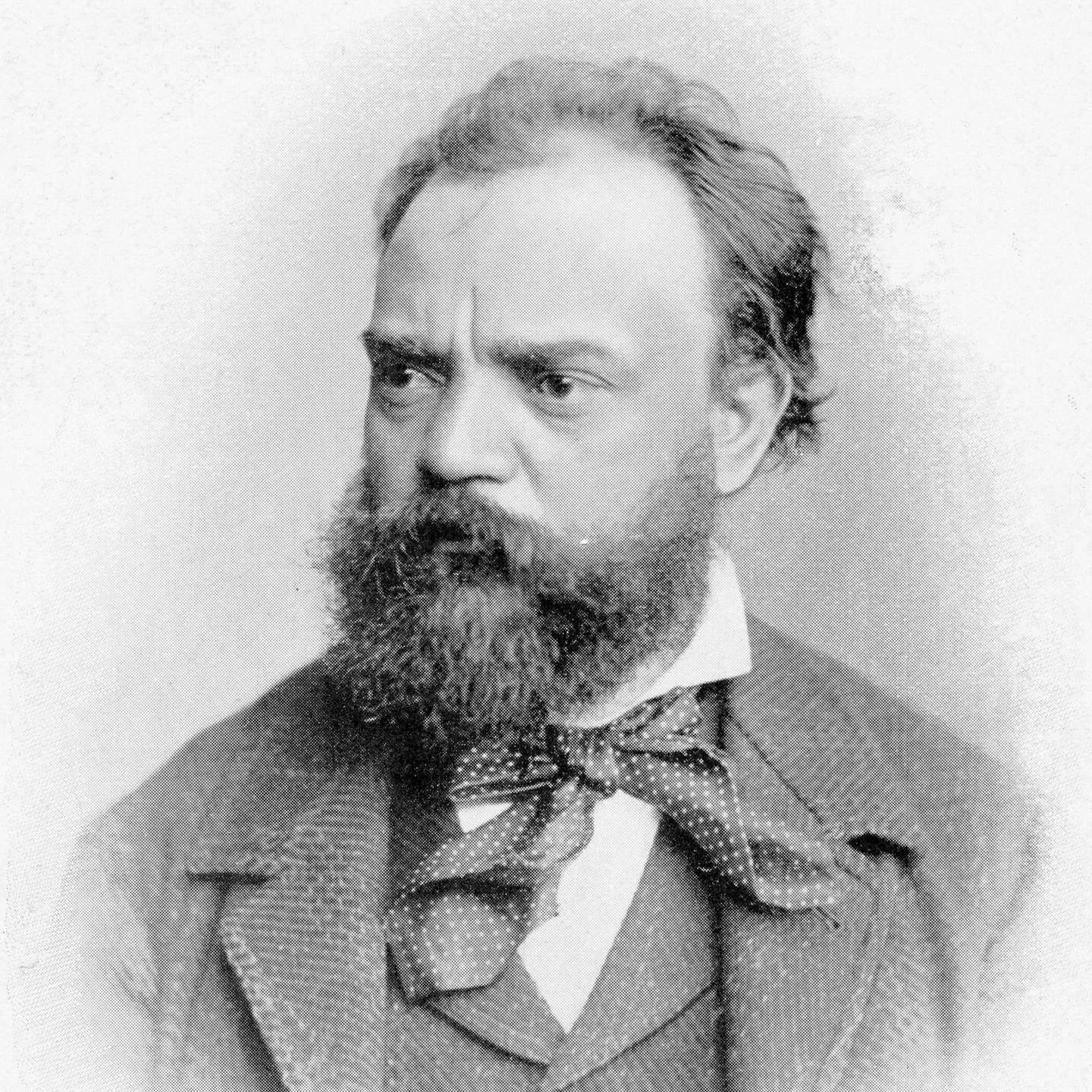
Dvořák sketched the first themes for his Ninth Symphony in late 1892, barely two months after arriving in New York. He finished the score on 24 May 1893, having spent part of that spring working through it at his rented house on East 17th Street in Manhattan while simultaneously running the National Conservatory. He was homesick, frequently unwell, and by his own account found the city exhausting. The music doesn't sound like any of that, which is part of what makes it interesting.
Premiere
It premiered at Carnegie Hall on 16 December 1893, conducted by Anton Seidl. The public had been teased with a preview rehearsal the day before, and a capacity crowd queued outside in the rain to get in. Every movement ended in applause loud enough that Dvořák, sitting in a box, had to stand and bow repeatedly. He wrote to his publisher afterwards: "The newspapers say no composer has ever before had such a triumph. The hall was filled with the best New York public and the people applauded so much that I had to thank them from the box like a king." He was not a man given to understatement on that particular evening.
What it actually is
The question of whether the symphony is "American" has been debated ever since. Dvořák maintained he composed all the themes himself, drawing on the spirit of African American spirituals and Native American music rather than quoting them directly. He had spent time with Harry Burleigh, a Black student at the Conservatory who sang spirituals his grandfather had passed down, and those sessions clearly left a mark. The Largo's English horn melody — later adapted into the song "Goin' Home" by one of Dvořák's students in 1922 — sounds like it could be a spiritual, but Dvořák wrote it himself.
Leonard Bernstein spent considerable energy arguing there was nothing uniquely American about any of it, which is arguably true but also misses the point. The architecture is thoroughly European — four movements, cyclic structure, themes that return across the symphony's finale. What changed was the atmosphere: wide, open, with a particular quality of yearning that doesn't appear in his earlier Czech-inflected work. Dvořák himself said the symphony would be "fundamentally different from my earlier ones," and he was right.
Legacy
It became one of the most performed symphonies in the world, which by now has created its own problem: the themes are so familiar they're almost impossible to hear fresh. Neil Armstrong took a recording of it to the Moon in 1969. The Largo melody was used in a bread commercial. None of that is the symphony's fault.