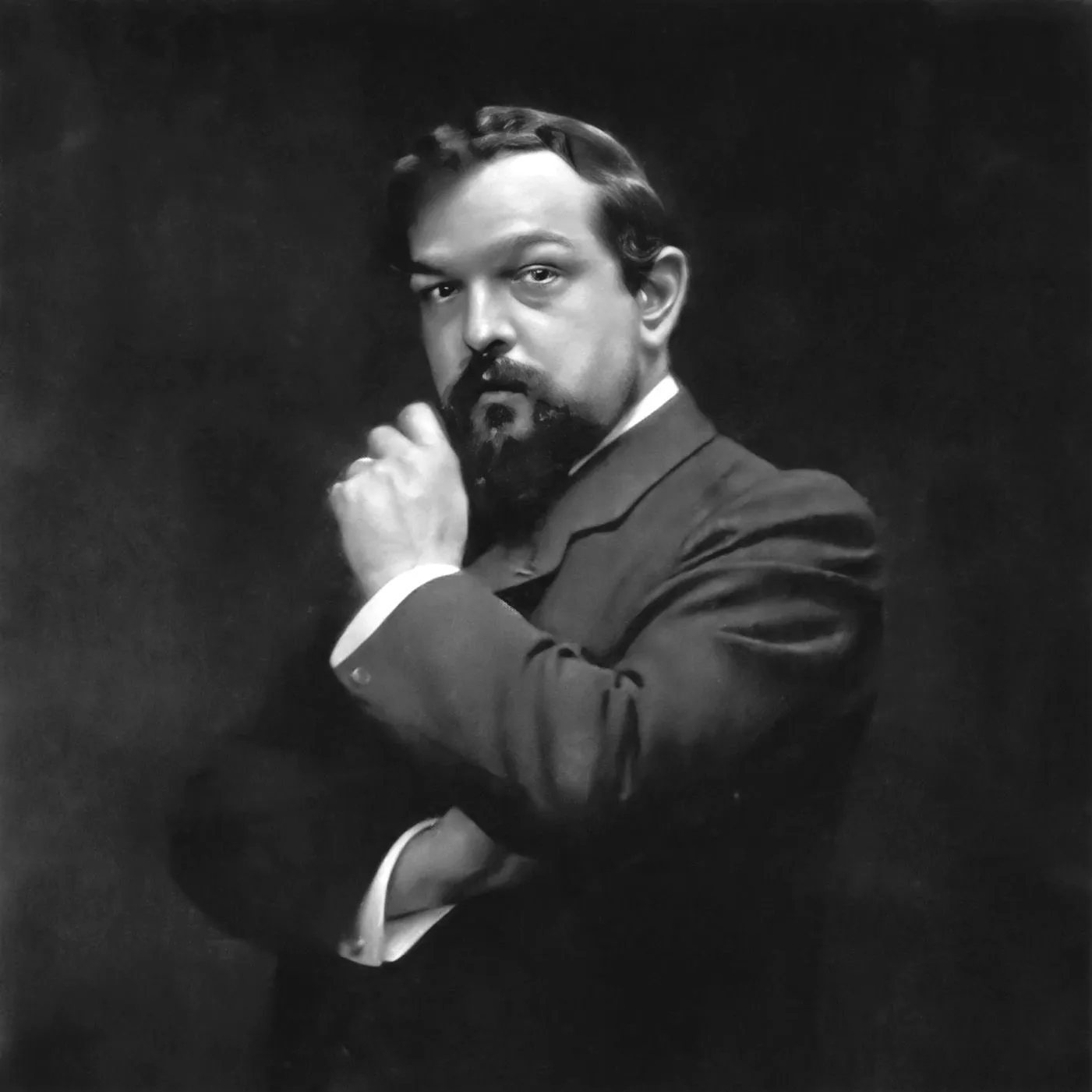
Description
An integral part of the Art Nouveau style, the arabesque was used to describe an ornamental design of natural curving, intertwining line and plant motifs in Moorish art and architecture. Cybele Gontar, in Heilbrunn Timeline of Art History, proposes: “the unfolding of Art Nouveau’s flowing line may be understood as a metaphor for the freedom and release sought by its practitioners and admirers from the weight of artistic tradition and critical expectations”. Debussy contrasts two types of arabesque; the flowing, curving, intertwining of individual voices in the Andantino con Moto and the impish, playful, ornamental version in Allegretto Scherzando.
The name arabesque became synonymous with classical ballet in the mid-nineteenth century. In the Traité élémentaire of 1820, Italian dance master Carlo Blasis gave the first recorded description of the arabesque pose, describing it as having “harmony, grace, and a sense of lightness, expressed through flowing motion.”