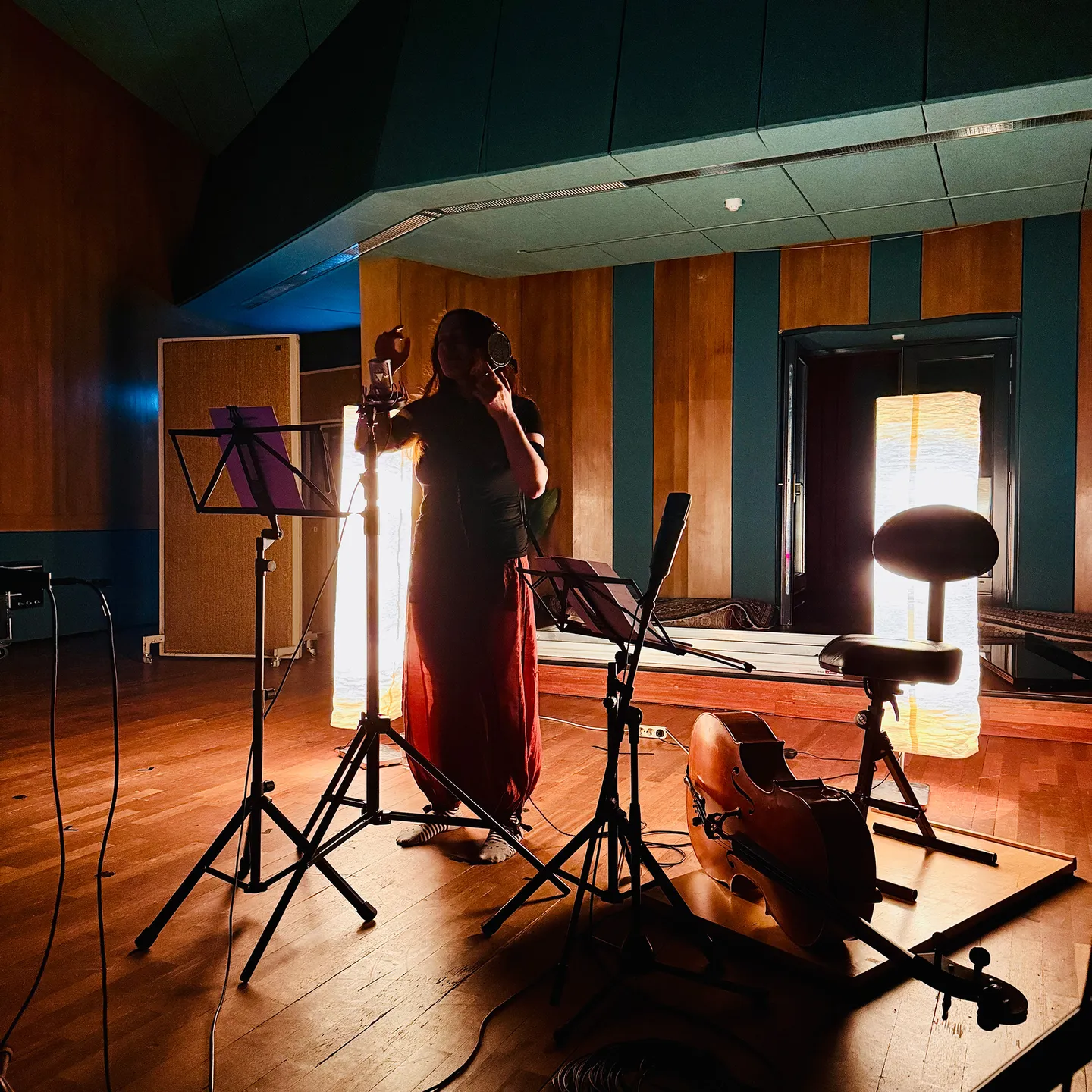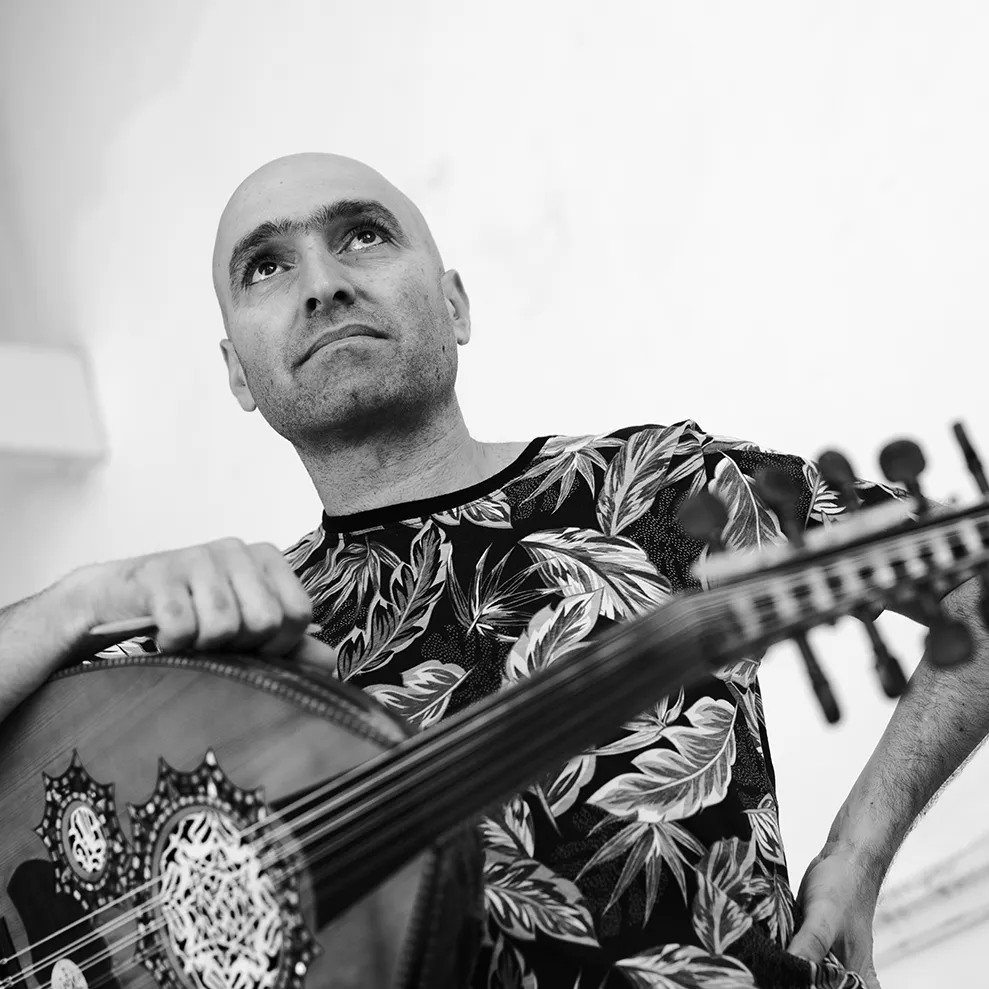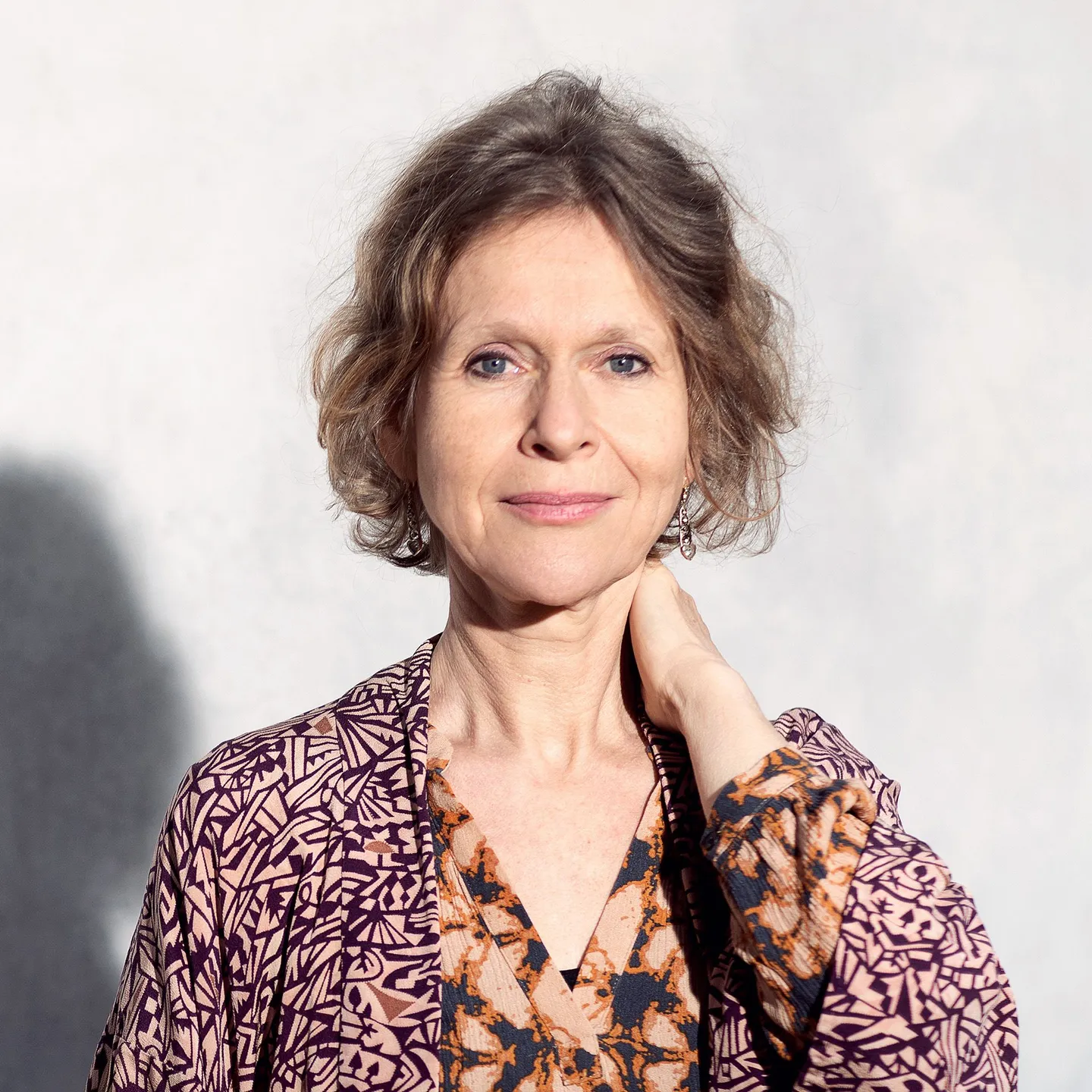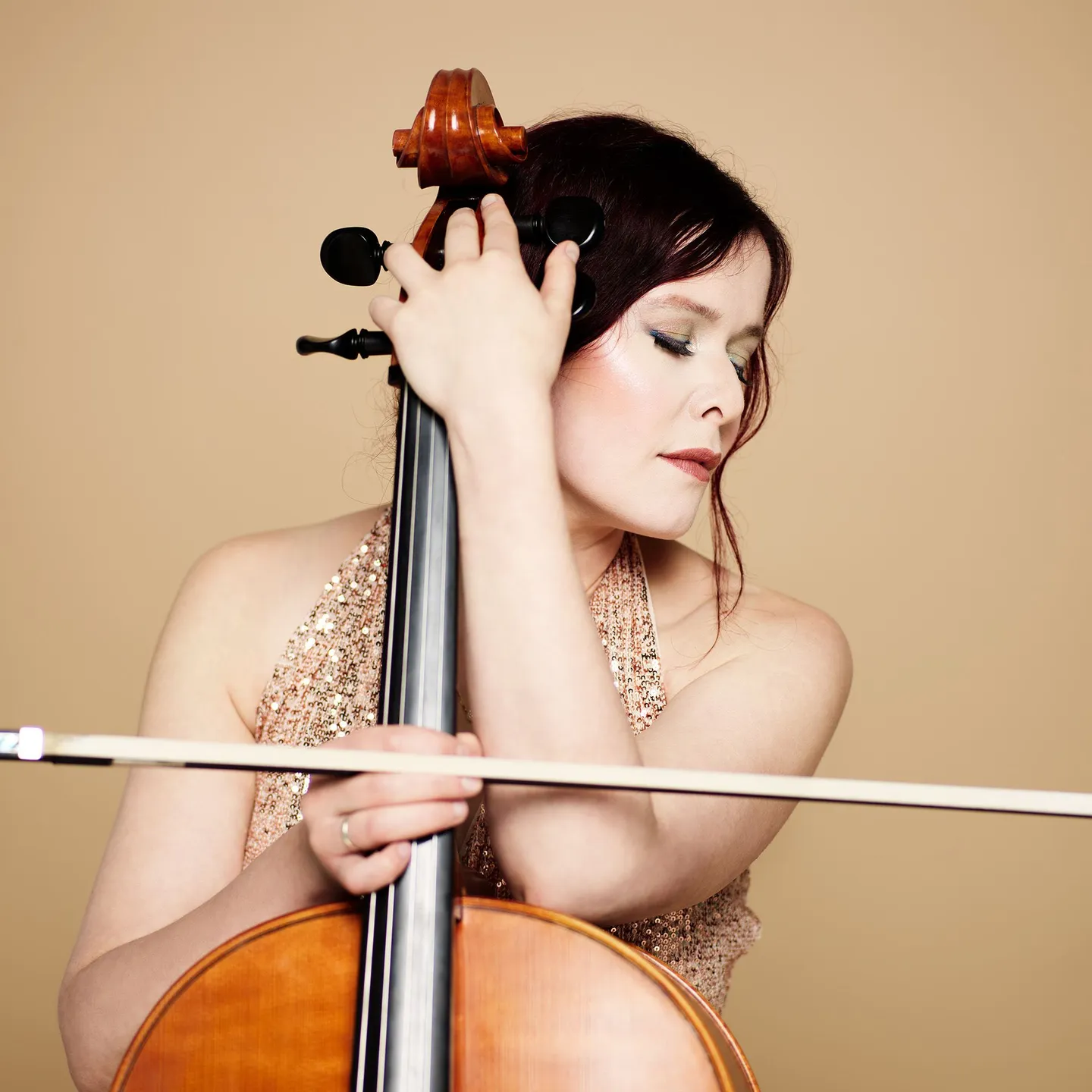
In the months preceding the recording of the Lullabies from Soil and Sky album, I essentially became a recluse, going outside only for exercise and a breath of Oxfordshire air, falling asleep and waking up with my head full of lullabies.
I spent my waking hours humming and singing these simple songs, rocking my body lightly to their rhythms. Like a child who is learning her mother tongue, I gradually learned my “lullaby vocabulary” of repetitive melodic contours, intervals, patterns, tempos and timbres.
Immersing myself in these repetitive, shimmering melodies became a daily embodied ritual.
I wanted to feel how I would sing if I were a Quechua mother, a Finnish mother, a Turkish mother. How would I breathe? How would I move my body? How would I relate to the world and to my baby?
“Entrainment” is a well-known neuromusicological phenomenon: our heartbeat and breathing can synchronise with external musical rhythms. At the same time, music engages our limbic system and other brain networks, affecting our emotions, deep memory and sense of belonging.
Again and again, I dimmed my body and mind, almost going into a quiet trance, allowing each lullaby to put roots without my habits getting in the way. I stayed in that liminal space until I felt connected to the music, to the language, to the culture—until I became a link in a long chain of singers passing the song on, from generation to generation.